What Is Hyaluronic Acid?
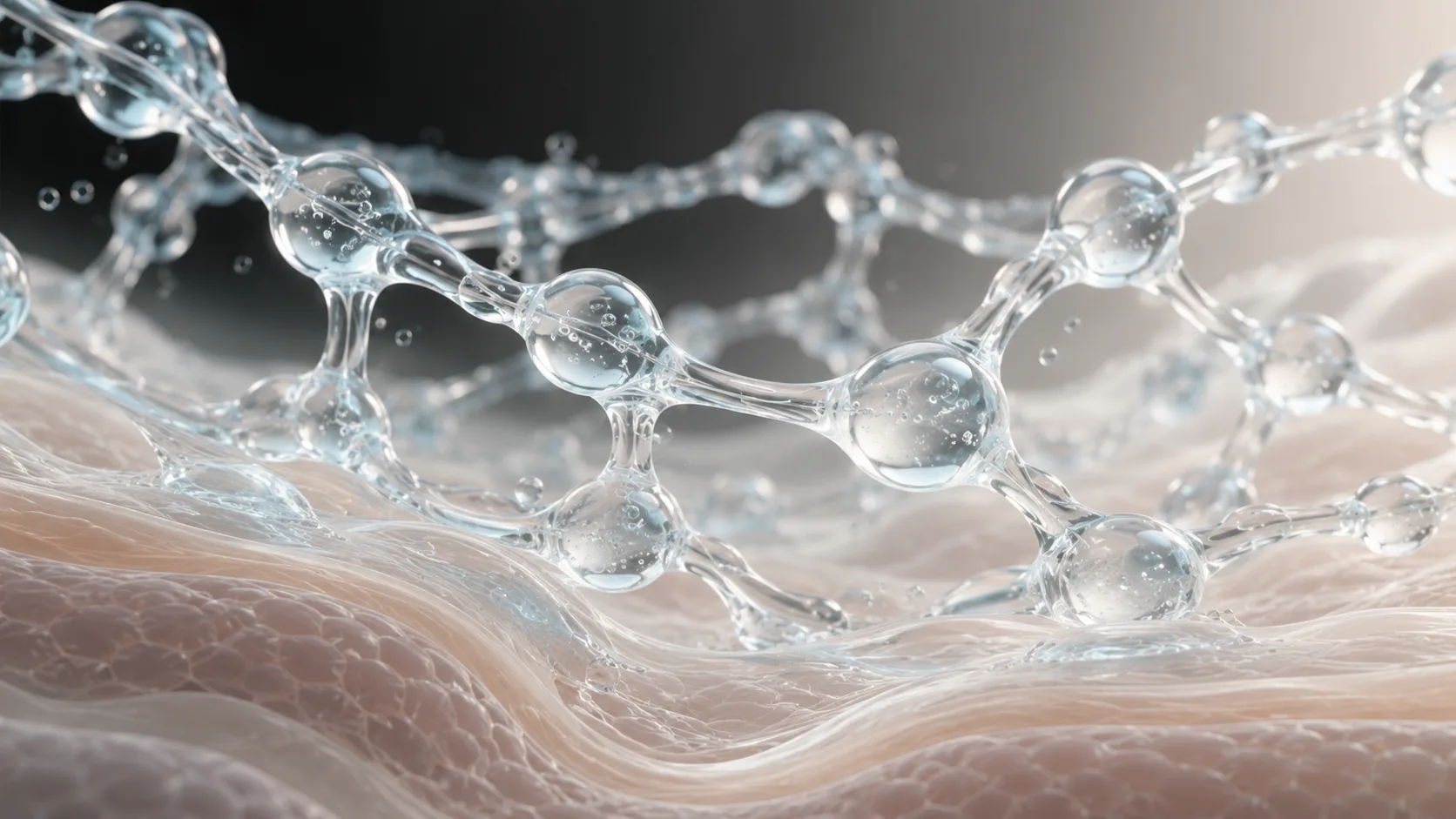
Hyaluronic acid (HA) is a naturally occurring polysaccharide found throughout the human body, including the skin and connective tissues. It has a strong capacity to bind and retain water and contributes to tissue hydration, volume and viscoelasticity.
In the skin, hyaluronic acid is part of the extracellular matrix and interacts with other structural components of the tissue.
As part of the natural aging process, changes in the quantity, distribution and organization of components within the extracellular matrix can contribute to changes in skin hydration, elasticity and facial volume.
Hyaluronic Acid in Dermal Fillers
For aesthetic applications, hyaluronic acid can be formulated into an injectable gel designed for placement within specific tissue planes.
Native HA is rapidly metabolized in the body. Therefore, dermal filler formulations commonly use chemical cross-linking to modify the properties of HA and create a more persistent three-dimensional polymer network.
The resulting gel can provide temporary volume enhancement and support the correction of facial wrinkles, folds and volume deficits, depending on the formulation and its intended indication.
Why Is Cross-Linking Used?
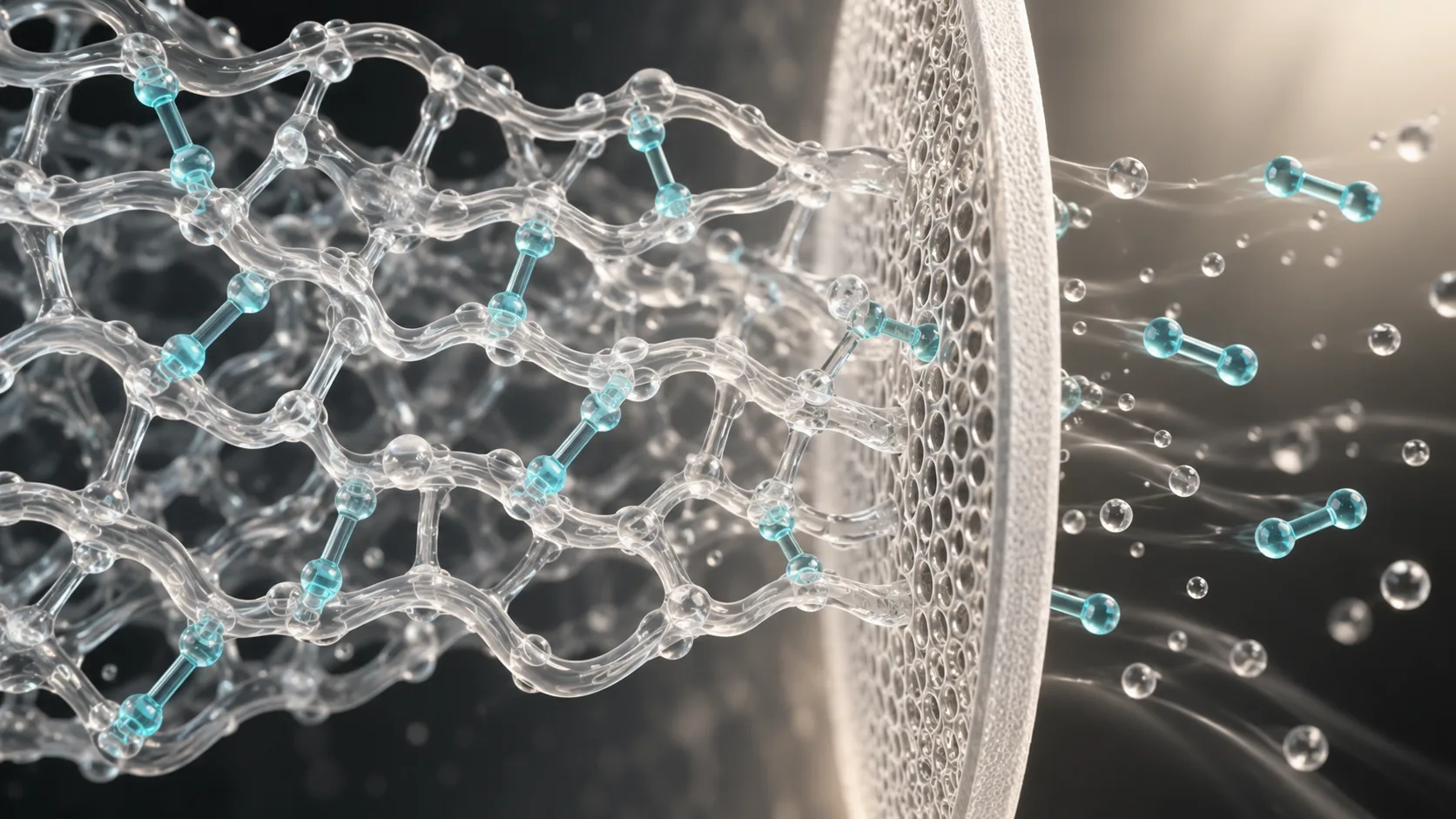
Cross-linking connects HA polymer chains within a three-dimensional network.
The characteristics of this network influence several properties of the resulting gel, including its rheological behavior, resistance to deformation and persistence within tissue.
However, cross-linking should not be considered as an isolated determinant of product performance. Other formulation parameters—including HA concentration, molecular weight, degree of modification, processing conditions and gel microstructure—can also influence the final properties of an HA filler.
Understanding Filler Behavior
HA fillers are not identical simply because they contain the same basic material.
Different formulations can demonstrate different physical and rheological characteristics. These characteristics influence how a gel behaves during injection and after placement in tissue.
Parameters such as elasticity, viscosity, cohesivity and deformability can therefore be considered when developing or selecting a filler for a particular application.
Clinical selection should always take into account the product's approved indication, anatomical area, tissue characteristics and the intended treatment objective.
From Material Science to Clinical Application
The development of modern HA fillers involves more than selecting HA as a raw material.
The manufacturing and formulation process determines the characteristics of the final gel, while product design determines how it is intended to be used clinically.
Understanding the relationship between HA chemistry, cross-linking, rheology and tissue interaction provides a scientific foundation for the appropriate use of HA dermal fillers.
Key Takeaway
Hyaluronic acid dermal fillers are engineered injectable gels whose characteristics depend on the properties of the HA material, cross-linking process, formulation and manufacturing conditions. Understanding these factors helps explain why different HA fillers can demonstrate different physical characteristics and clinical applications.
References
1. The rheology of injectable hyaluronic acid hydrogels used as facial fillers. *International Journal of Biological Macromolecules*. 2024;268(Pt 2):131880.
2. Investigation of Crosslinking Parameters and Characterization of Hyaluronic Acid Dermal Fillers: From Design to Product Performances. 2024.
3. Crosslinking hyaluronic acid soft-tissue fillers: current status and perspectives from an industrial point of view. 2021.
**Medical Disclaimer:**
This article is provided for educational purposes only and is not intended to replace professional medical advice, product labeling or the Instructions for Use (IFU). Injectable dermal fillers should be administered only by appropriately qualified healthcare professionals in accordance with approved indications and applicable regulations.